

The Allure of Casino Games
The captivating charm of casino games lies in their ability to stimulate many psychological triggers. The thrill of risk and the potential for big rewards create an enticing environment that keeps players engaged. Casinos are designed to evoke excitement, making it easy for individuals to lose track of time while playing, especially when they explore options like instant withdrawal casino uk that enhance the gaming experience. The flashing lights, vibrant colors, and energetic sounds all contribute to a sensory experience that immerses players in a mood conducive to gambling. This sensory overload amplifies emotions, enhancing the overall appeal of the game.
Moreover, the very design of gambling games is rooted in psychological principles. Slot machines, for example, employ a mix of randomness and reward schedules that create a compelling feedback loop. Players often experience a rush of exhilaration upon winning, which reinforces their desire to continue playing. This phenomenon, known as the « near-miss effect, » occurs when players lose by a small margin, leading them to believe they are closer to winning, which motivates their continued participation. Such intricacies play a significant role in sustaining interest and engagement in casino environments.
Additionally, the social aspect of casino gaming cannot be overlooked. Many games involve multiple players, fostering a sense of camaraderie and competition. Human beings are naturally inclined to seek social interaction, and casinos provide a unique opportunity for social bonding. Whether it’s cheering for a shared win at the blackjack table or sharing stories during a poker game, these interactions enhance the excitement and emotional investment in the games. This combination of individual thrill and communal experience solidifies the casino’s appeal as a recreational destination.
The Role of Cognitive Biases
Cognitive biases play a critical role in the decision-making processes of casino players, impacting their perception of risk and reward. One of the most prevalent biases is the illusion of control, where players believe they can influence the outcome of games through their actions. For instance, a player may feel that their betting strategy or choice of machine will lead to a win, despite games like slots being purely chance-based. This misguided belief can lead to increased betting and prolonged gameplay as individuals chase the notion of control over random outcomes.
Another significant cognitive bias is the gambler’s fallacy, which occurs when players interpret past results as indicators of future events. For example, if a roulette ball landed on red several times in a row, a player might believe that black is « due » to win next. This fallacy leads individuals to make irrational bets based on previous outcomes, which are statistically independent. Understanding these cognitive biases is crucial as they can lead to poor financial decisions and increased risk-taking, further compounding the psychological grip of casino gaming.
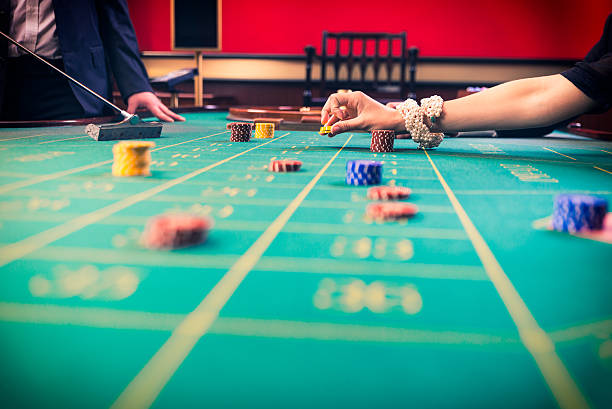
Furthermore, the availability heuristic influences how players assess their chances of winning. When individuals recall recent wins—whether it’s their own or stories they’ve heard—they may overestimate their likelihood of success. This thought pattern can lead to impulsive betting and a disregard for the actual odds of the games. Casinos often capitalize on this phenomenon by showcasing jackpot winners prominently, reinforcing the belief that winning is more accessible than it actually is, thus perpetuating the cycle of play and investment.
The Emotional Rollercoaster of Gambling
The emotional landscape of casino gaming is complex and layered, encompassing a wide spectrum of feelings that players experience throughout their time in the establishment. Winning can lead to elation and a sense of accomplishment, creating powerful positive emotions. In contrast, losing can evoke anxiety and frustration, reflecting a player’s investment of time, money, and hope into the game. This rollercoaster of emotions significantly affects behavior, as players may become more determined to recover losses, leading to continued gameplay in the hope of turning their fortunes around.
Moreover, the concept of ‘chasing losses’ is a common phenomenon in the casino realm. Players often feel compelled to keep betting in an attempt to retrieve their previous losses, leading to a dangerous cycle of gambling. This emotional response can cloud judgment and lead individuals to make decisions that are not aligned with their financial well-being. Understanding the psychological implications of this behavior is vital for recognizing when gaming shifts from a form of entertainment to a problematic compulsion.
Casinos often employ tactics to enhance the emotional experience of gaming. Personalized player experiences and rewards programs appeal to the emotional need for recognition and value. Players who win rewards or recognition for their loyalty can feel a heightened sense of belonging and significance. This manipulation of emotions is integral to the casino experience, ensuring that players remain engaged and invested in their gaming choices for as long as possible, even in the face of potential losses.
Responsible Gambling and Psychological Awareness
Understanding the psychological factors influencing gambling behavior is essential for promoting responsible gaming practices. Many players may not be aware of the psychological traps that casinos exploit, leading to impulsive decisions and potential addiction. Educational initiatives that inform players about cognitive biases, emotional responses, and the risks associated with gambling are crucial in fostering a healthier relationship with casino games. Knowledge equips players with the tools to recognize when their gaming habits may become problematic.

Furthermore, implementing self-regulation strategies can empower individuals to set limits on their gambling behavior. This includes establishing predetermined budgets, limiting gaming time, and acknowledging signs of emotional distress when playing. Encouraging players to take breaks and practice self-awareness helps mitigate the risks of compulsive gambling. Support resources, such as counseling and hotlines, should also be readily available for individuals seeking guidance on managing their gambling activities.
In addition, casinos can play a proactive role in promoting responsible gambling by integrating features into their gaming systems that remind players of their spending and time. By fostering a culture of responsibility, casinos can contribute positively to the well-being of their patrons and reduce the prevalence of gambling-related issues. Ultimately, understanding the psychology behind casino games can lead to healthier gaming habits and a more enjoyable experience for players.
Discovering Insights on Casino Psychology
For those intrigued by the psychological dynamics of casino games, ample resources and articles delve into the intricate relationship between psychology and gambling. Understanding the various mental triggers, biases, and emotions that influence player behavior can offer rich insights into the gaming experience. Whether you’re a casual player intrigued by the odds or someone looking to understand the deeper motivations behind the urge to gamble, numerous readings and studies provide valuable perspectives.
Additionally, engaging with communities that discuss gambling psychology can enhance your understanding and offer support. Exploring forums and educational sites dedicated to gambling can introduce you to new ideas and coping strategies. As the conversation around responsible gaming continues to evolve, there is a growing emphasis on psychological well-being within the gambling landscape, paving the way for healthier habits and informed choices.
Those interested in delving deeper into the world of casino games and their psychological underpinnings can benefit from visiting specialized websites that focus on responsible gambling and education. This online knowledge can empower players to navigate the casino world more thoughtfully, ensuring that their gaming remains an enjoyable pastime rather than a detrimental habit. By fostering awareness and understanding, we can strike a balance between the thrill of gaming and the importance of mental health in the gambling sphere.